


I’m taking a brief departure from my usual essay series to share some updates and reflect on The Nature We Make, now at its six-month mark!
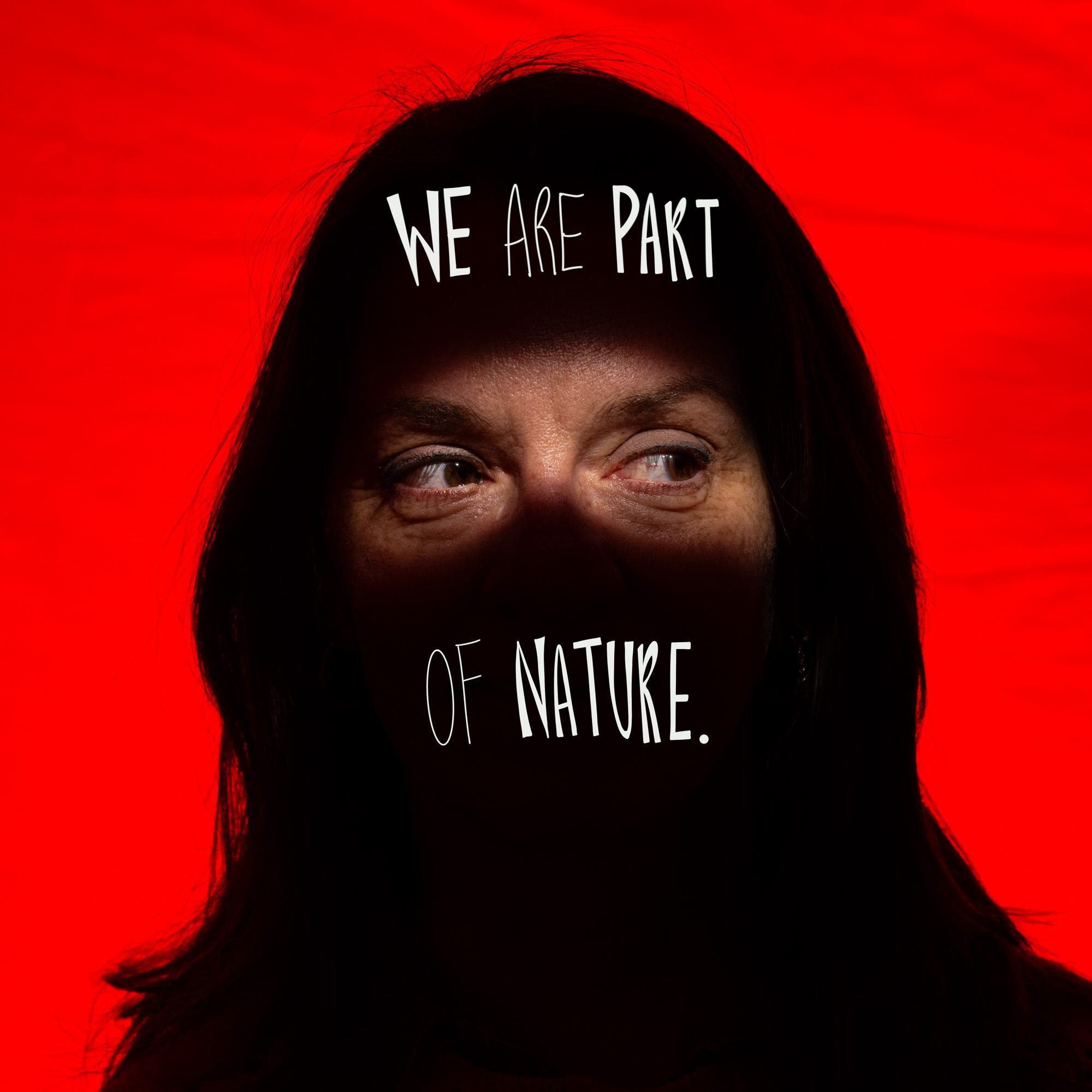
First, the photo above is courtesy of Boston-area photographer Mike Ritter, who is collecting portraits of 250 people to be assembled together into an American flag as part of his project Who Are We? If you’re in the Boston area and would like to contribute, his next session is at the Juneteenth Celebration at Town Field in Dorchester Friday 6/19, 1-6pm.
I’ve been continuing to speak in the Boston area about my recent book with Anthem Press, Climate Change and the Future of Boston (now available to pre-order in paperback!). You can read a recent Q&A with me in Cambridge Day about the challenges of responding to climate change in the Boston metro area and how political fragmentation poses a challenge to climate action.
I recently started a new full-time position at the Harvard Graduate School of Design, where I’ll be writing and editing case studies of transformative redevelopment projects for its new ReBuild Initiative, in association with the Bloomberg Center for Cities at Harvard. I’m excited to dig into this work.
I’m still planning on continuing my personal writing here, but will likely need to experiment to find the best cadence as I settle into a new role (perhaps longer essays a little less often, or some shorter pieces more frequently).
The Nature We Make has picked up new readers along its way these past few months. So this is also a good time to recap the work I’ve published so far, both as a reminder about pieces you may have missed and an introduction to newer readers.
Here are some of the questions these essays have tackled so far:
What do we lose by seeing ourselves as separate from nature? In my introductory post, I began by exploring the mental divide between nature and the human-built world, and how it shapes how we imagine environmental problems and solutions.
What is the built world made of and how does it shape us? I explored how concrete plays a role in urban carbon cycling and meditated on the role of asphalt in organizing our lives.
How can we feel more connected to the everyday urban world? Inspired by the practice of forest bathing, I asked what “infrastructure bathing” might look like, and how we can pay more attention to nature’s processes in the built world. I also argued that we can cultivate “now shock” by viewing the familiar through a new lens, fighting against the impulse to see everyday infrastructure as invisible.
How is urban nature unique and different? I described research on the surprising amount of biodiversity in urban areas, and I made the case for appreciating urban plants that spontaneously grow in cities.
How do humans shape their environment? I described the yearly human-created salt cycle that shapes the urban environment and reflected on urban and non-urban beaches and the tension between dynamic natural systems and our desire to hold landscapes in place.
How can cities respond to climate change and other challenges? Building off of my own research in Boston, I reflected on ways that cities are addressing climate change on a local scale.
I have a lot more to say about these issues (and many other questions to ask), but first I want to express profound appreciation for everyone who has read these pieces, and especially if you’ve commented or reached out. It’s tremendously helpful to hear from readers about what resonates. I have some new material I’ll be posting soon, and in the meantime I welcome any suggestions or requests about topics you’re curious about.